


Free Shipping All Orders Over $95
The most popular advice about Mimosa strain terpenes is also the least reliable: expect a guaranteed limonene-dominant citrus profile. Mimosa is commercially associated with orange peel, bright fruit, and a sparkling brunch-like aroma, but the jar name doesn't define a fixed chemotype. A batch can smell sharply citrusy, softly fruity, piney, herbal, or distinctly peppery, and the current certificate of analysis is the only dependable way to know which expression you're holding.
That distinction matters for flower buyers, vape formulators, and anyone comparing products from different producers. Mimosa is a genetic and commercial label, not a promise about terpene order, concentration, or sensory outcome. The most useful question isn't “What does Mimosa always smell like?” It's “What does this tested lot contain?”
Mimosa's “citrus brunch” reputation encourages buyers to look for limonene first. Historical lab data complicates that expectation. A compilation of three SC Labs flower records from 2017 to 2018 found a median total terpene concentration of 1.6% by weight, with beta-caryophyllene leading at 0.44%, ahead of limonene at 0.29% and pinene at 0.15%. The same records reported humulene at 0.14%, guaiol at 0.10%, linalool at 0.09%, myrcene at 0.08%, and bisabolol at 0.04%. Those results make a caryophyllene-forward, spicy Mimosa entirely plausible, not an outlier to dismiss. (Historical SC Labs Mimosa data)
The proportional difference is also revealing. In that historical compilation, beta-caryophyllene represented approximately 27.5% of the measured terpene total, while limonene represented about 18.1%. That doesn't erase Mimosa's citrus identity. It shows why aroma descriptions and chemical rankings can diverge. A flower can retain recognizable fruit and orange notes while carrying a peppery or warm woody backbone.
Different Mimosa cuts may express different ratios because phenotype, cultivation conditions, harvest timing, drying, curing, storage, and laboratory methods all influence the final profile. A strain guide may call limonene the usual leader, while another database reports myrcene or beta-caryophyllene at the top. That disagreement isn't merely editorial noise. It reflects a product category in which the same commercial name can cover materially different chemistry.
For a practical explanation of why cultivar names aren't enough, compare this evidence with the discussion of strain-specific terpene testing. The useful mindset is simple: treat "Mimosa" as an expectation of a flavor direction, then use the COA to determine whether the current batch delivers citrus brightness, peppery depth, or something in between.
Practical rule: If a product page gives you only the strain name and a flavor adjective, you have a marketing description, not a verified terpene profile.
The clearest way to understand Mimosa variability is to compare actual reported batches instead of averaging them into a fictional “standard” profile. Historical flower records and commercial COAs point in different directions, and that spread is more useful to a buyer than a single generalized terpene list.
One historical compilation placed beta-caryophyllene first, while a separate commercial COA set showed one Mimosa batch with beta-caryophyllene at 2.33% and limonene at 0.79%. Another batch reversed the practical sensory emphasis, reporting limonene at 1.22% and beta-caryophyllene at 0.76%. Both products can legitimately carry the Mimosa name, yet one would likely present a warmer, pepperier nose and the other a brighter citrus opening. (Commercial Mimosa COA examples)
| Sample source | Dominant terpene | Percentage | Secondary terpene | Total terpenes |
|---|---|---|---|---|
| Historical SC Labs flower compilation | Beta-caryophyllene | 0.44% | Limonene, 0.29% | 1.6% median |
| Commercial COA, batch example 1 | Beta-caryophyllene | 2.33% | Limonene, 0.79% | Not reported in the cited comparison |
| Commercial COA, batch example 2 | Limonene | 1.22% | Beta-caryophyllene, 0.76% | Not reported in the cited comparison |
The table isn't a ranking of quality. It demonstrates that dominant-terpene order can change, and that total terpene content alone can't tell you whether the product will meet your sensory preference. A higher total may include compounds you don't enjoy, while a lower total may be better balanced for a particular palate.
COA numbers also aren't perfectly interchangeable across laboratories. Sample preparation can alter the measured terpenoid fingerprint, and commercial cannabis laboratories use methodologies that aren't fully standardized. That means differences between reports can reflect both genuine plant variation and differences in analytical handling.
For buyers and formulators, the practical response is not to ignore lab data. It's to read it with context. Compare the dominant-terpene order, the analytes included, the testing date, and the laboratory identity. A current, full-panel report is more useful than a polished product description, and batch testing explained for consumers provides the right operational frame: evaluate the lot in front of you, not an idealized version of the cultivar.
Terpene percentages become useful when you can translate them into sensory expectations. Mimosa doesn't smell “citrusy” because the name says so. Its aroma emerges from the interaction of compounds, their relative abundance, the condition of the flower, and how your nose interprets the resulting mixture.
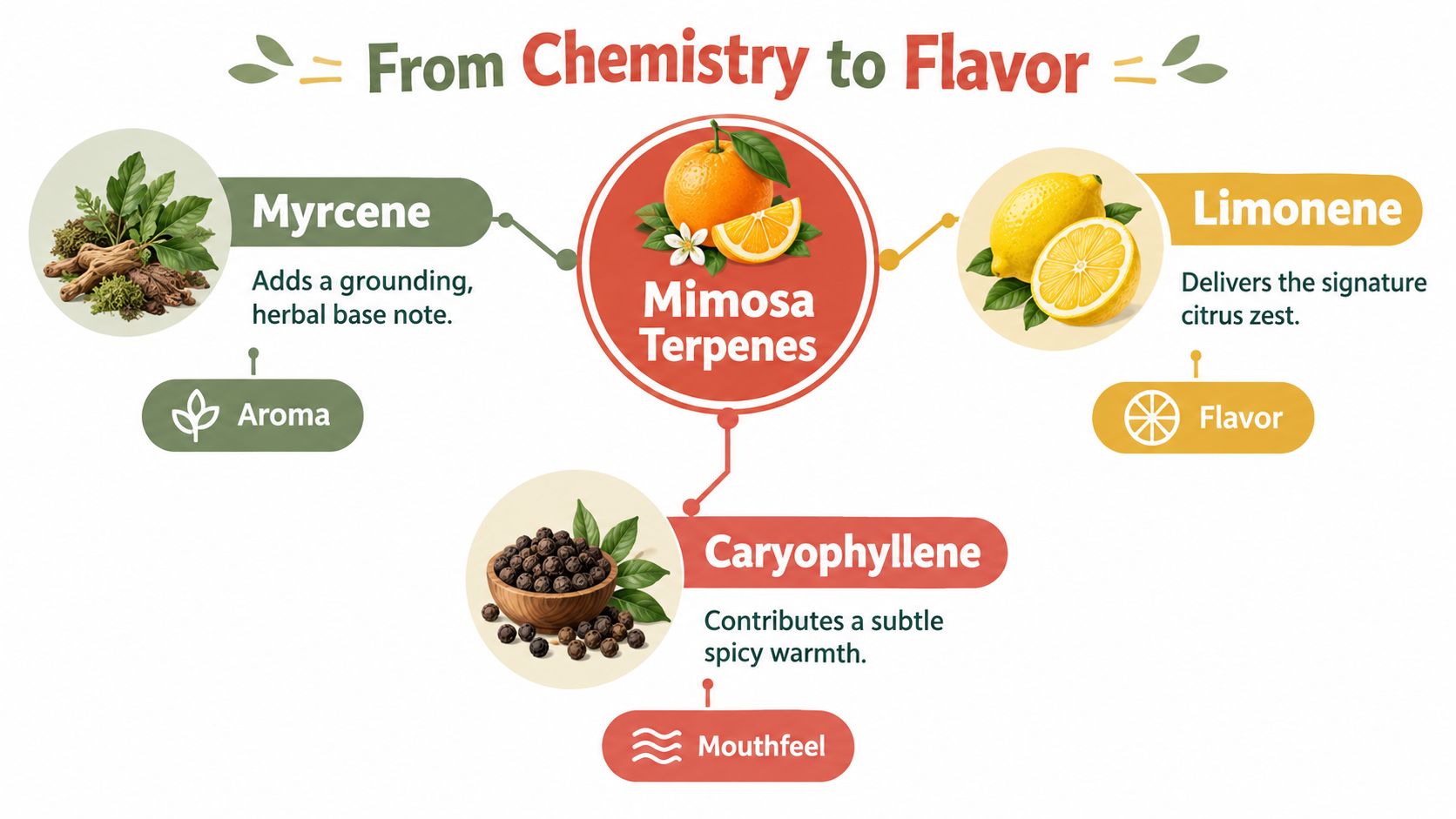
Limonene contributes sharp lemon and orange-rind aromatics. When it leads by a clear margin, the profile usually reads brighter, zestier, and more immediately citrus-forward. If the surrounding profile lacks enough depth, that sharpness can come across as aggressively rind-like rather than juicy or sweet.
Beta-caryophyllene adds pepper, clove, and warm woody notes. It can provide the structure that keeps a fruit-heavy profile from smelling flat. In a caryophyllene-forward Mimosa, the first impression may be less like fresh orange juice and more like citrus layered over cracked pepper, dried spice, or warm wood.
Myrcene generally contributes herbal, earthy, or ripe-fruit depth. It can soften sharp citrus and make the profile feel rounder and more grounded. A batch with meaningful myrcene may smell less sparkling than a limonene-led lot, even when both carry the Mimosa label.
The same logic applies to supporting compounds. Pinene can add a fresh, resinous lift, while guaiol, ocimene, linalool, or other minor terpenes may shift the profile toward floral, herbal, tropical, or piney territory. Minor compounds don't need to dominate to matter. They can act like seasoning in a recipe, changing the shape of the primary aroma.
A useful sensory sequence is:
The relationship is compositional, not deterministic. Increasing limonene tends to push perception toward bright citrus, while higher caryophyllene or myrcene proportions can make the same genetic label smell spicier, earthier, or softer. Terpenes should describe aroma and flavor, not serve as proof of a specific therapeutic outcome. (Sensory discussion of Mimosa terpenes)
Mimosa's reported lineage, Clementine crossed with Purple Punch, helps explain why product descriptions often combine bright citrus with sweeter fruit, floral notes, or peppery depth. Lineage establishes a range of genetic possibilities, but it doesn't determine the exact terpene percentages of every harvest. Two producers can work from material sold under the same name and still produce different aromatic results. (Mimosa lineage and profile overview)
A phenotype is the plant's expressed version of its inherited genetics. Cultivators select and preserve plants that show a preferred combination of aroma, structure, resin production, and maturation behavior. One selection may emphasize orange and tropical fruit, while another may carry more spice, earth, or floral character.
The growing environment then influences how that potential develops. Light intensity, temperature, nutrition, water management, plant stress, harvest timing, and overall crop health can all affect terpene production and retention. These variables don't turn one cultivar into another, but they can change the balance buyers experience in the finished flower.
Drying and curing are especially important for volatile aromatics. Excessive heat, oxygen exposure, and poor storage can reduce the freshness of delicate compounds and flatten the nose. A batch that left the plant with strong citrus potential may no longer smell as vivid after prolonged exposure to unfavorable conditions.
Heavier and more persistent compounds may remain perceptible as the brighter top notes fade, which can make an older product seem earthier or more peppery even without a change in its genetic identity. That doesn't mean every caryophyllene-forward COA reflects poor curing. It means the final sensory result depends on both the plant's chemistry and the way the producer protects it after harvest.
The cultivar supplies the palette. The grow, harvest, cure, and storage determine which colors reach the consumer.
For connoisseurs, freshness should sit beside genetics on the buying checklist. A current COA tells you what was measured at testing, while the package condition and storage history help determine how closely the product still resembles that report.
A useful COA does more than display an attractive total terpene number. It lets you identify the actual lot, inspect individual compounds, and judge whether the report contains enough detail to support the product's aroma claims.
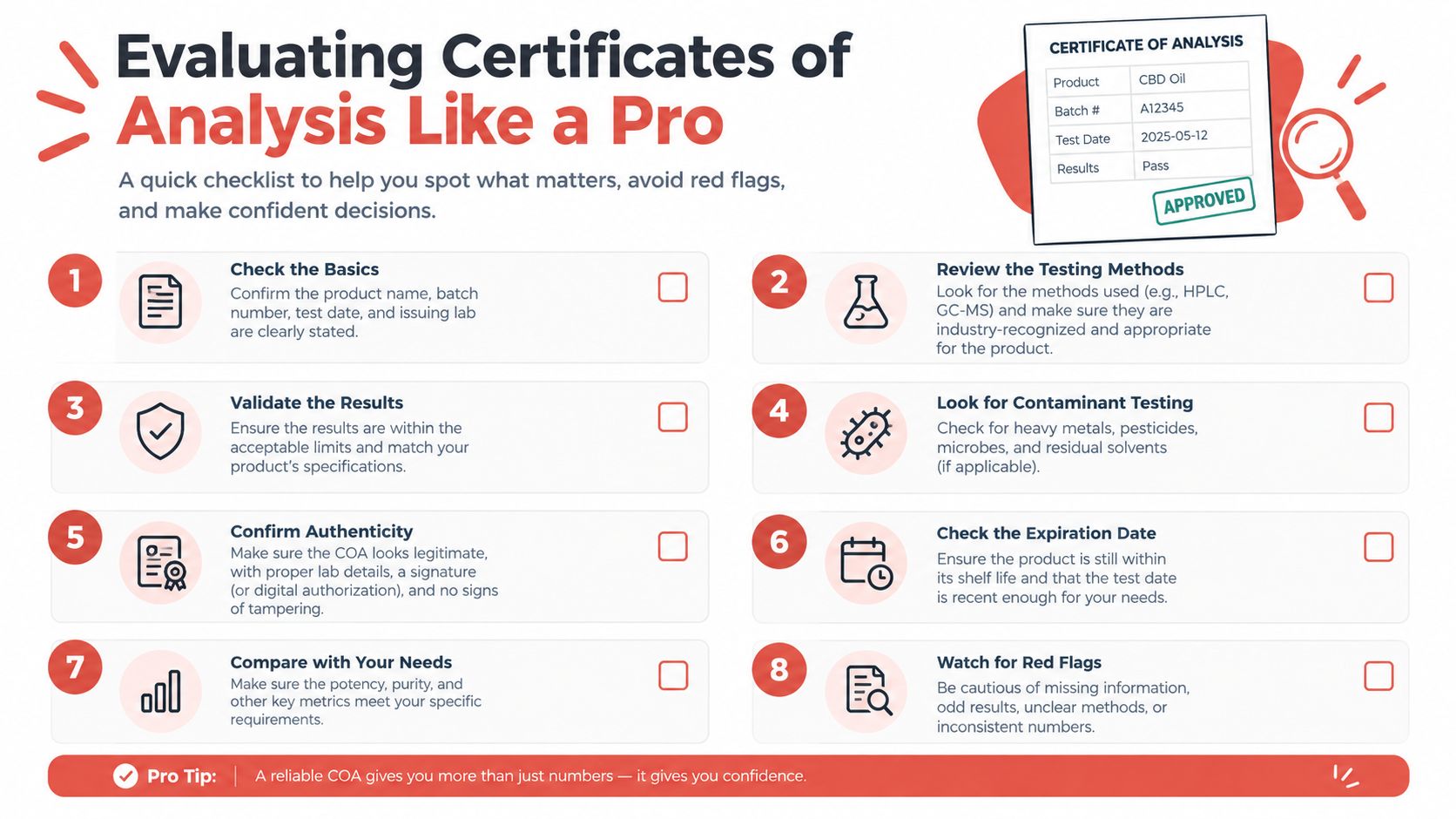
First, match the COA to the product in your hand. The lot or batch identifier should align with the package, and the report should identify the product matrix, test type, laboratory, and relevant dates. A generic “Mimosa” report attached to multiple lots is weaker evidence than a document tied to the exact production batch.
Next, read the individual terpene panel. A total-terpene figure without compound-level results can't tell you whether the batch is limonene-forward, caryophyllene-forward, or driven by another combination. Look for the dominant compounds, their order, the units used, and whether minor analytes are included.
Use this practical checklist when evaluating a Mimosa product:
Analytical research has shown that sample-preparation methods can significantly change the measured terpenoid fingerprint. Commercial-cannabis laboratories also use nonstandardized methodologies, so a reported difference may reflect both plant variation and measurement technique. (Research on terpene measurement and laboratory variation)
That doesn't make COAs useless. It sets the right expectation: use them as structured evidence, not as perfectly universal measurements. For a deeper walkthrough of the document itself, see this guide on how to read a certificate of analysis.
Premium Mimosa isn't created by pretending every harvest will have the same chemistry. Consistency comes from selecting material deliberately, testing each lot, protecting volatile compounds, and communicating what changed when the next batch differs.
A strong producer may prefer a caryophyllene-forward Mimosa for one product and a limonene-led expression for another. Neither is automatically superior. The important question is whether the brand identifies the expression accurately and keeps the description aligned with the current COA. “Citrus-forward” should describe a tested batch, not a permanent promise attached to a famous name.
A useful quality system starts with batch selection. Producers can compare incoming material, reject lots that don't match the intended sensory profile, and preserve the most suitable material for flower, vapor products, or other formulations. They can also use oxygen- and heat-controlled storage to reduce volatile loss between testing, packaging, and sale.
Transparency completes the process. A current report should be accessible, legible, and connected to the product being sold. If the next lot shifts from limonene-led to caryophyllene-led, the responsible response is to update the product language, not hide the difference behind the same generic flavor copy.
Research on 2,662 flower samples found that terpene patterns formed distinct chemical clusters, with limonene, myrcene, and gamma-terpinene acting as cluster-defining compounds rather than establishing one universal strain signature. That finding supports a more useful consumer question: how can you tell whether this particular Mimosa batch is citrus-forward, tropical, piney, or more sedating? (Commercial cannabis terpene clusters)
A credible premium brand should be able to tell you:
That standard is more demanding than printing “Mimosa” on a label, but it produces a more predictable buying experience. The name can start the search. The batch data should finish it.
Melt offers curated THCA flower, strain-specific disposable products, Duo prerolls, and potent edibles supported by third-party testing and transparent lab reporting. If you want to compare Mimosa-style aromatic profiles through current product documentation rather than rely on strain lore, visit Melt and review the available products and lab information before choosing your next batch.
Your cart is currently empty.